
Title: Planning Event Photography for a Full-Day Academic Conference
A full-day academic conference can move from a quiet keynote to concurrent panels, poster sessions, workshops, and informal debate without giving the photography team a natural pause. Covering it well is not a matter of visiting every room for the same five minutes. The plan should identify which moments explain the intellectual life of the program, which people must be documented, and where photography would distract from discussion or expose material that is not meant for publication.
Translate the agenda into editorial priorities
Mark the sessions that carry institutional importance, introduce new work, involve partners, or feature speakers whose participation needs a formal record. Then identify the visual character of each block. A keynote may need scale, speaker expression, and audience response. A workshop may be better represented by small-group exchange and working materials. A poster session needs interaction as well as legible context.
Do not assign equal coverage merely because sessions have equal duration. One photographer cannot meaningfully cover three concurrent rooms without a priority order. Give the team a route, contact names, and permission to stay when a valuable discussion develops instead of abandoning it for a checklist image elsewhere.
Add transition time to that route. Elevators, crowded corridors, room resets, and building wings can make a two-minute move unrealistic. The photographer should know when a formal opening image is essential and when arriving after the first question is acceptable. A local event contact can warn of agenda shifts without expecting the photographer to monitor several message threads while working.
Prepare for restricted and sensitive material
Research slides may contain unpublished findings, identifiable participants, confidential partner information, or images whose reuse is limited. Ask presenters and organizers to flag restrictions before the day. A photographer can reframe around the speaker, wait for another slide, or capture audience engagement, but only if the concern is known.
Registration language should explain how event images may be used and offer a workable accommodation. A discreet indicator can help staff identify attendees who should not be photographed closely. Session chairs also need a contact for last-minute changes. Respectful coverage protects the conference and makes the resulting library safer to publish.
Build a must-have roster that includes context
Names matter in academic communications. Provide final spellings, roles, affiliations, and the sessions where key speakers appear. Include award recipients, organizers, partners, and student participants when relevant. A portrait of a speaker at the lectern is more useful when the archive can identify the person; file notes and a copy of the final program make that possible.
A team using event photography services in Toronto should also request establishing images: venue exterior, registration, signage, room scale, program details, and transitions between sessions. These photographs explain where the close interactions occurred and give designers options for reports, articles, and future event pages.
Photograph exchange without interrupting it
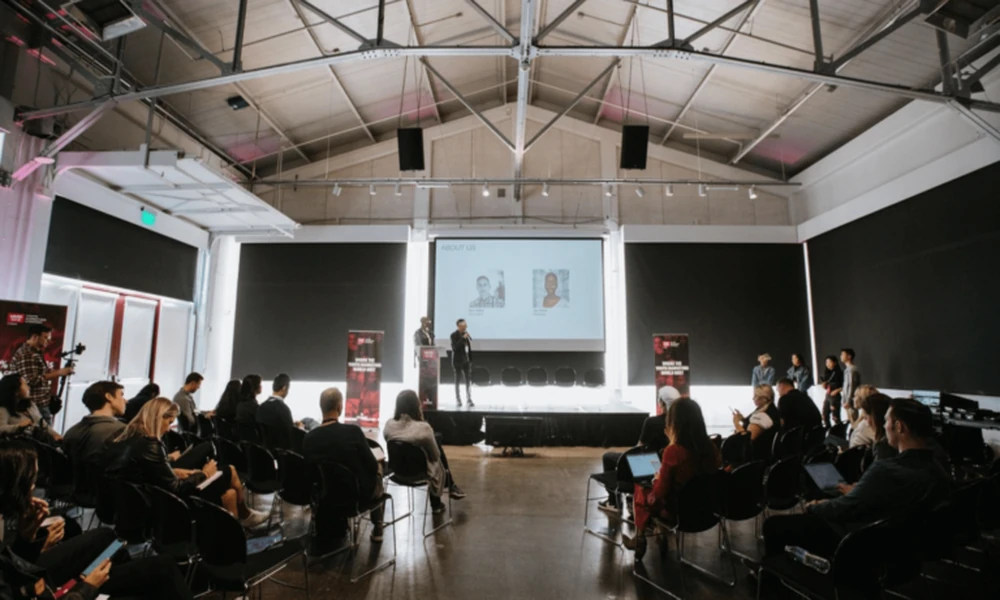
Academic events are visually strongest when people are thinking together, but conversation is easily disrupted by a camera that arrives too close or stays too long. Quiet movement, appropriate lenses, and awareness of sightlines matter. During a small workshop, the photographer may capture an opening sequence and return near the end rather than circling participants throughout.
Look for different forms of engagement: a question asked from the floor, notes being compared, a presenter listening, a poster explanation, or a spontaneous conversation between career stages. Avoid collecting only smiles toward camera. The most credible event story includes concentration, curiosity, and the work of exchanging ideas.
Design the gallery for several users
Communications may need a fast selection for a next-day recap. Development may need partner and donor presence. Faculty may request session documentation. Future organizers may need images of room configurations and wayfinding. Agree on priority selects and a fuller archive, then organize by program block or use rather than one long chronological folder.
If the conference also records sessions, align camera positions and schedules with Indigo Visual’s combined photography and videography services or the selected production teams. Stills and motion can share priorities while maintaining separate sightlines. A coordinated plan reduces obstruction and ensures that a critical speaker is not covered beautifully in one format and missed in the other.
Set a rapid-delivery list before the program. A small group of accurately captioned images can support a same-day update, while the full gallery receives considered selection and file notes. Give the communications owner a method for confirming names rather than guessing from badges or social profiles. Speed should shorten the path to publication, not weaken attribution.
Afterward, review the gallery against the stated program priorities. Check representation across sessions, participant groups, rooms, and activity types. Remove redundant frames and images that reveal restricted material. Archive the final program with the files so a future editor can understand what each photograph documents even after the event team changes.
Invite organizers to note one missed need while the experience is fresh. Perhaps the award presentation lacked a clear position, a concurrent session deserved more time, or signage arrived too late to establish the venue. That observation should refine the next coverage route rather than remain an informal complaint.
Good conference photography does more than prove attendance. It preserves who contributed, how ideas moved through the rooms, and what kind of scholarly community the program created-without compromising the trust that made those exchanges possible.