
Parents preparing a child for kindergarten tend to focus on letters, numbers, and whether their child can write their name. Those things matter less at this stage than almost anyone expects. What determines whether a child settles well in the first term is whether they can separate from a parent without prolonged distress, manage basic self-care, follow a group instruction, and recover when something does not go their way. Those are learnable in the months beforehand, and working on them produces a far smoother start than academic preparation does. Five steps build that readiness before a child begins kindergarten in Singapore.
1. Practise Short Separations With a Predictable Return
A child who has never been left with anyone other than parents faces a significant first experience on day one. Building this gradually beforehand makes an enormous difference.
Start small: an hour with a grandparent, relative, or trusted friend, with a clear goodbye and a clear return. The pattern that matters is that you leave, you come back, and the child learns that separation is temporary. Sneaking out to avoid tears teaches the opposite lesson, since the child learns that a parent might vanish without warning.
2. Build the Self-Care Skills the Day Will Require
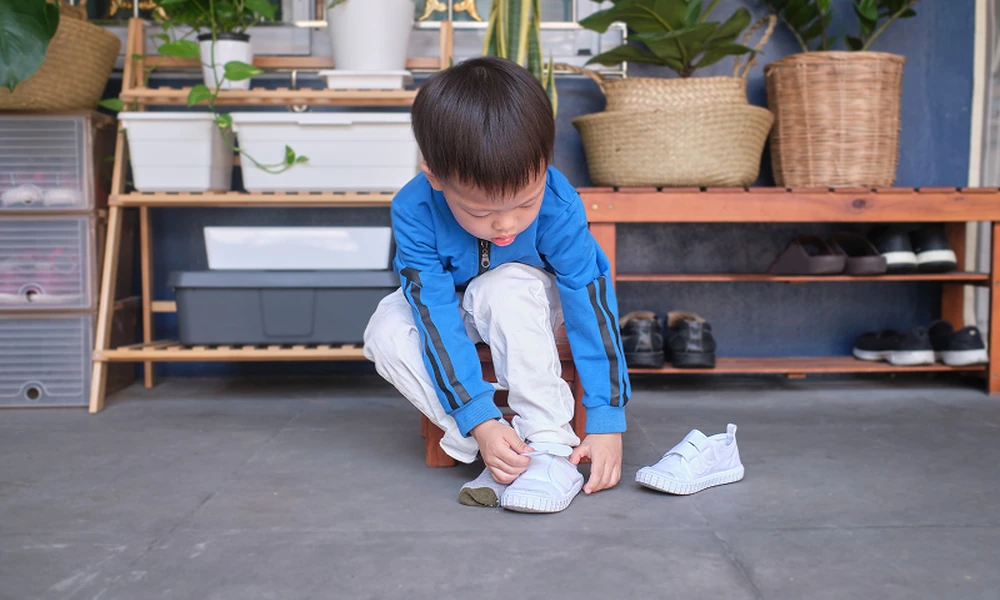
Kindergarten assumes a degree of independence: managing the toilet, washing hands, putting on and taking off shoes, opening a lunch container, and getting a water bottle out of a bag.
A child who cannot do these needs an adult repeatedly and may feel conspicuous among peers who can. Practising at home over several months, with enough time allowed that it does not become stressful, removes a source of daily anxiety. Anyone touring what they hope is the best kindergarten in Singapore will usually be told these are expected on entry, and it is considerably kinder to build them calmly at home than to have a child learning them under pressure in a new environment.
3. Give Them Experience of Following Group Instructions
Classroom life involves doing what a group is doing when an adult asks, which is unfamiliar to a child used to individual attention.
Playgroups, library story sessions, and any structured group activity provide practice. What is being built is the habit of attending to an adult who is addressing everyone rather than them specifically, and of waiting for a turn.
4. Establish the Routine Before Term Starts
Sleep and meal timings shift considerably when school begins, and making that adjustment in the first week alongside everything else is hard on a child.
Move bedtime and waking gradually toward the school schedule a few weeks in advance, and practise the morning routine including dressing and leaving the house at the required time. A tired child at a new school struggles with things they would otherwise manage easily.
5. Talk About What Will Happen Without Overbuilding It
Children cope better with change they can picture. Describe what the day will involve, visit the school if possible, and read books about starting school.
Keep the tone matter-of-fact rather than either anxious or excessively exciting. Promising that it will be wonderful sets up a difficult first day if it is not, while expressing your own worry transfers it directly. Acknowledging that it might feel strange at first and that this is normal gives a child something more useful to hold on to.
Managing the First Few Weeks Realistically
Even well-prepared children often have a difficult stretch, and it frequently arrives in week two or three rather than on day one, once the novelty passes. That timing surprises parents who thought the settling had gone well.
Short goodbyes work better than extended ones, however counterintuitive that feels, and teachers will usually tell you honestly how long any upset lasted after you left. Most children settle within minutes. Where distress continues for weeks rather than days, that is worth discussing with the teachers properly rather than waiting it out, since there is usually something specific behind it that can be addressed.
Contact Raffles Kidz International to discuss your child’s readiness and how our settling-in process works for new starters.
5 Steps to Get Your Child Emotionally Ready for K1